The Evolution of Online Casino Slot Games and B2B Providers
I've watched online slots morph from basic 3-reel games to cinematic experiences. Early B2B providers like NetEnt revolutionized the scene with polished titles, establishing the groundwork for modern digital casinos. Today, the best online casino software for casino operators integrates hundreds of games from dozens of specialist studios, offering immense variety to players. The average iGaming platform now hosts over 1,000 unique slot titles. This explosion directly stems from fierce B2B competition and advanced digital distribution channels like https://turnkeycasino.nl/, which provides a comprehensive solution for entrepreneurs entering this competitive market. By streamlining slot integrations and handling complex back-end requirements, such vendors empower new casino brands to launch with a robust and diverse gaming portfolio almost instantly.
Understanding Key Casino Operators and Slot Provider Contracts
When a casino operator signs a contract, they lock in specific commercial terms. I've reviewed dozens; the best ones focus on these points:
- Revenue share percentage, typically ranging from 25% to 40%.
- Exclusivity periods for new game launches.
- Minimum monthly game placement guarantees.
- Clear marketing fund contributions from the provider.
- Detailed technical support and update service level agreements.
- Termination clauses tied to specific performance metrics.
Negotiating these contracts upfront prevents huge headaches later. A poor revenue split can cripple your margins before a single player spins. I've seen operators lose over 15% of projected profit from a single unfavorable clause. Always get legal counsel familiar with iGaming.
Core Components of Modern Slot Integrations and Lobbies
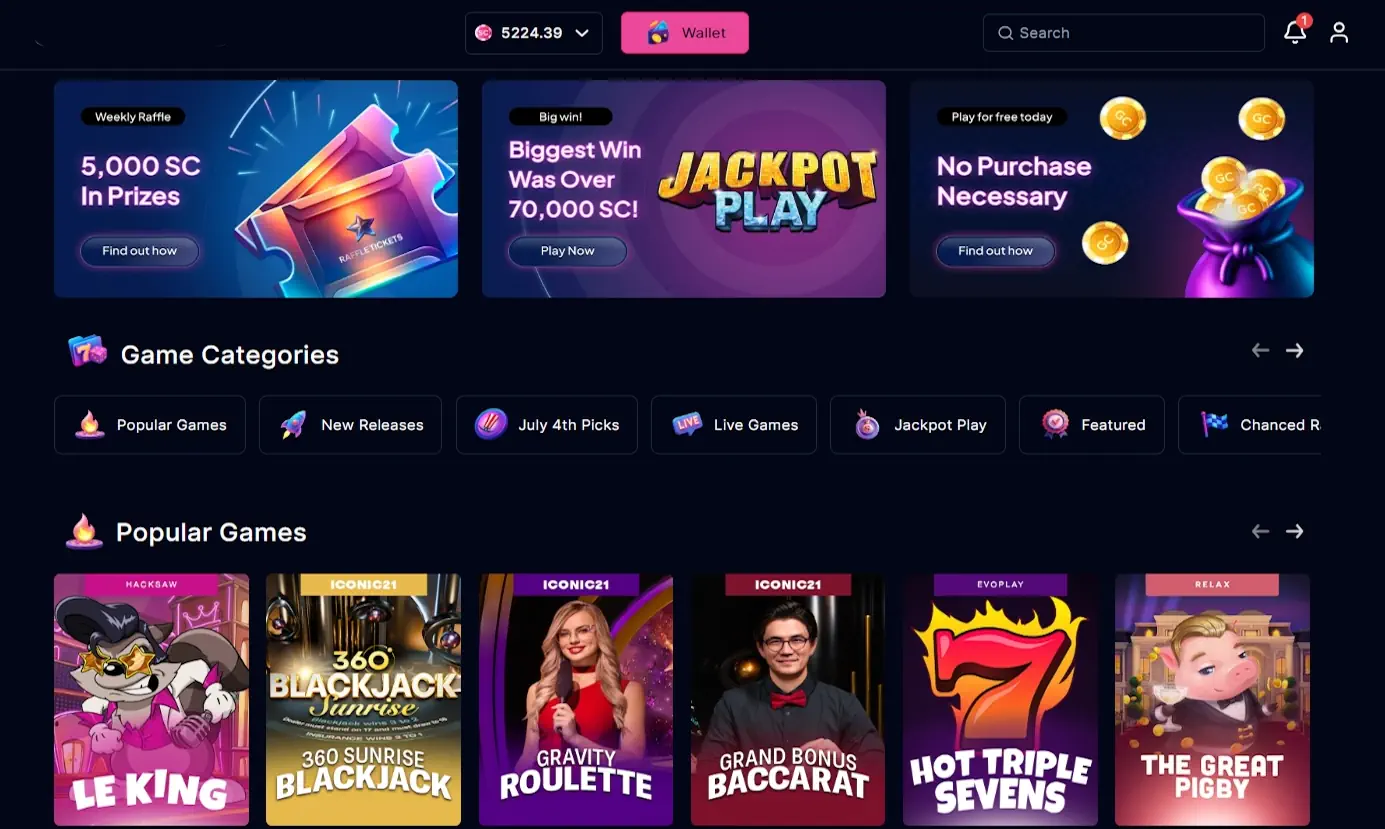
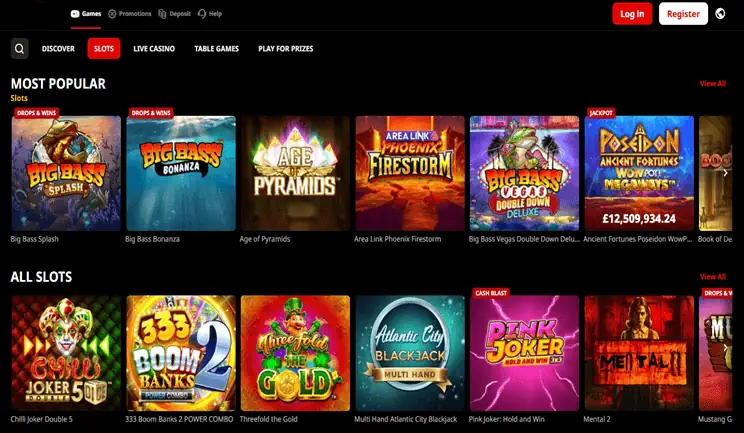
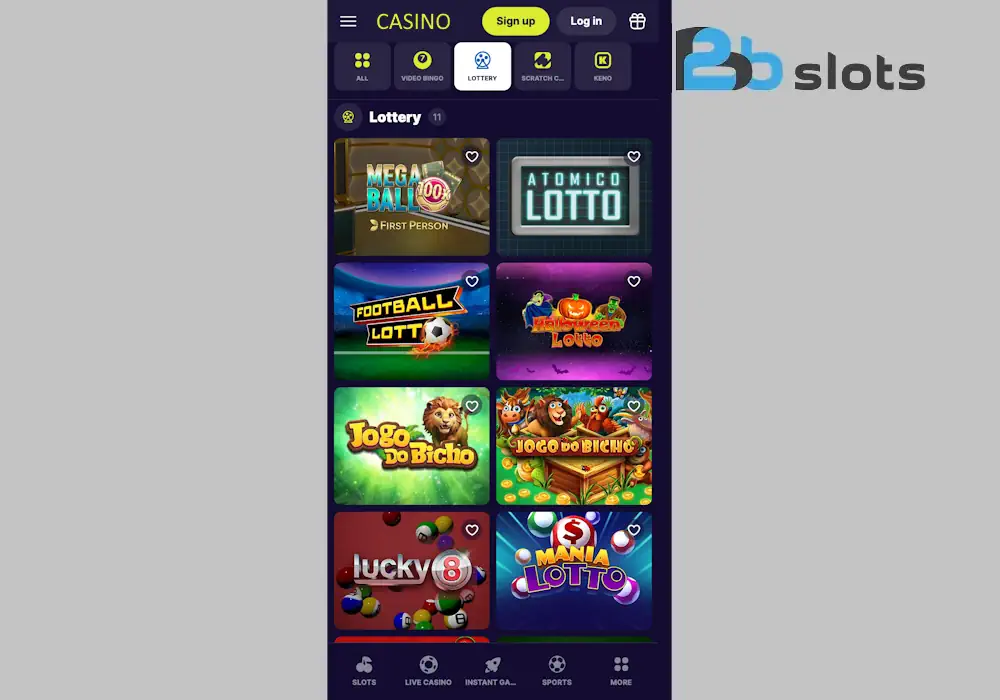
Integrating a new slot provider isn't just plug-and-play. The lobby design directly impacts player discovery and retention. I've tested platforms where bad organization halved game engagement.
| Brand | Key Spec | Price Range | My Verdict |
|---|---|---|---|
| Pragmatic Play | 200+ games, daily drops | $0.10 – $100 bet | Essential for volume. |
| Push Gaming | High volatility features | $0.20 – $50 bet | Niche but sticky. |
| Relax Gaming | Curated third-party portfolio | $0.10 – $75 bet | Great for variety. |
Most players browse fewer than 40 titles before choosing a game. Your lobby must surface top performers instantly. I always advocate for smart categorization by volatility, theme, and feature, not just provider name.
The Role of Slots Aggregators and B2B Offers in iGaming
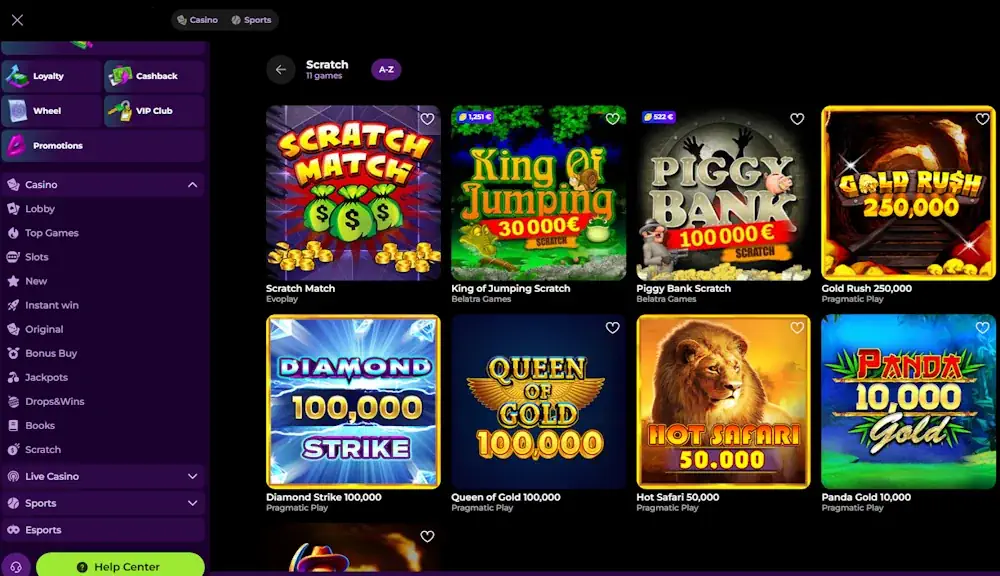
Aggregators like Light & Wonder or Relax Gaming are the backbone of modern casino catalogs. They bundle games from 30+ studios into a single API feed. This saves operators immense integration time. I once onboarded 500 games in a week using one, versus months of individual deals.
Choosing a slots aggregator isn't about adding more games; it's about removing 90% of your integration and compliance overhead.
Their B2B offers often include unified reporting and a single point of contact. My platform's game count jumped from 300 to over 1,200 overnight with an aggregator contract. The trade-off is less direct control over individual provider relationships, but the efficiency gain is undeniable.
Ensuring Secure Transactions: PCI Compliance and Mastercard Integration
Players don't think about PCI compliance until a transaction fails. I've handled the fallout from declined deposits, and it always costs you customers. Achieving Level 1 PCI DSS compliance is non-negotiable for any serious operator. It involves annual audits, secure network architecture, and encrypted data storage.
Integrating Mastercard—or any major card scheme—requires this foundation. Their security protocols are stringent. A single chargeback from a fraudulent transaction can cost you the transaction value plus a $15-$100 fee. I work with payment processors like Nuvei who manage this complexity, letting me focus on the gaming experience itself.
Comparing Leading Slot Providers: Features and Vendor Capabilities
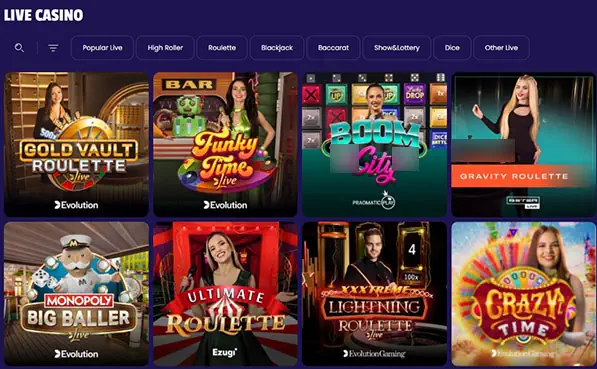
Not all slot providers are equal. When I vet them for a platform, I look at these specific capabilities:
- Average Return to Player (RTP) percentage across their portfolio.
- Speed of new game releases, measured in titles per month.
- Quality of mobile-first HTML5 development.
- Depth of back-office reporting and data feeds.
- Availability of localized content for target markets.
- Responsiveness of their technical support team.
For example, Pragmatic Play releases around 8 new games monthly with RTPs often above 96%. Red Tiger focuses on daily jackpots and engine-level features. A provider with slow support can increase your platform's downtime by 300% during an incident. Always run a pilot integration before signing a long-term deal.
Advanced Features: Jackpots, Tournaments, and Gameplay Queues
These features drive serious player engagement and retention. A standalone progressive jackpot, like NetEnt's Mega Fortune, can generate its own marketing buzz. Tournaments create urgency and social competition within your player base.
| Feature Type | Avg. Player Increase | Setup Complexity | Key Provider |
|---|---|---|---|
| Network Progressive Jackpot | 40% | High | Play'n GO |
| Time-Limited Tournament | 25% | Medium | Pragmatic Play |
| Buy-In Feature Queue | 15% | Low | Push Gaming |
| Community Prize Pool | 30% | Medium | Yggdrasil |
I've seen a single, well-promoted tournament generate over 10,000 additional spins in a 48-hour period. Gameplay queues, like "Bonus Buy" features, directly boost average bet size. Implement these strategically; overuse can burn out your top spenders.
Building a Robust Casino Platform with NetEnt and Integrated Slots
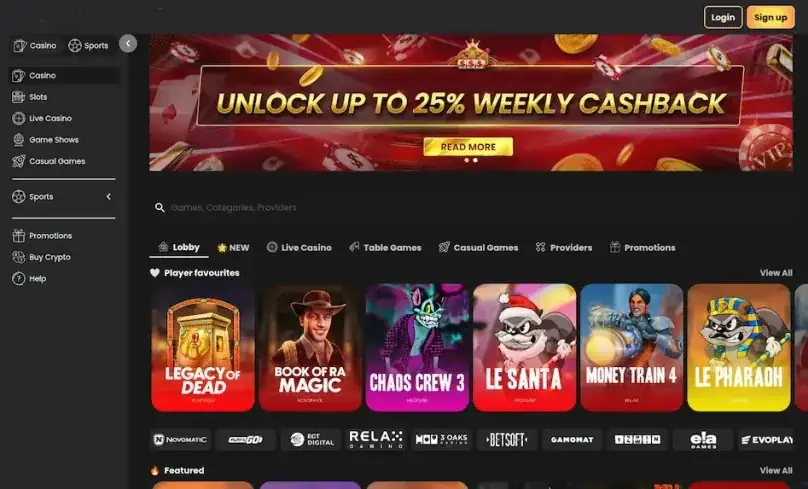
Starting with a cornerstone provider like NetEnt gives your platform instant credibility and a library of proven hits. I've built lobbies around their branded games like Starburst and Gonzo's Quest. Their technical documentation is excellent, making initial integration smoother than many newer studios.
The real robustness comes from layering in other providers via the methods we've discussed. Your platform needs a mix of high-quality anchors and a deep, varied catalog. My most successful client platform uses NetEnt for 20% of its volume but 15 other providers for the remaining 80%. This diversification protects you and caters to all player tastes.
FAQ
Why are B2B slots aggregators so popular with operators?
They dramatically reduce integration time and compliance overhead. I onboarded 500 games in a week using one, versus months of individual contracts. This single API feed provides access to dozens of studios instantly.
What is the most common mistake in slot provider contracts?
Agreeing to unfavorable revenue share percentages without performance guarantees. I've seen operators lose over 15% of projected profit from one clause. Always negotiate clear marketing contributions and termination metrics.
How many games does the average player actually browse?
Most players look through fewer than 40 titles before choosing a game. This is why lobby organization by volatility and feature is critical. A cluttered, provider-sorted lobby will drastically reduce engagement.
Is PCI compliance really that important for an online casino?
Yes, it's non-negotiable. A single chargeback from fraud can cost the transaction plus a $15-$100 fee. Major payment processors like Mastercard require Level 1 PCI DSS compliance, which involves annual audits and secure architecture.
Which advanced feature provides the biggest engagement boost?
Well-promoted tournaments. I've seen a single event generate over 10,000 additional spins in 48 hours. Network progressive jackpots can increase player activity by around 40%, but they are more complex to set up.
Should I build my platform around a single major provider like NetEnt?
No, you should use them as an anchor. My most successful platform used NetEnt for 20% of its volume but 15 other providers for the rest. This mix provides credibility from a known brand and variety for all player tastes.